1. Site Preparation
Clearing debris, vegetation, and leveling the ground to ensure a uniform and stable base. Essential for preventing future cracking and settling.
Posted on: 2026-03-12
By: Liam Hawthorne
As you embark on your journey to construct a strong foundation for your home, understanding the intricacies of house slabs is essential. From site preparation to local regulations, a well-informed approach can save you both time and money in the long run. Here’s what you need to know!
The construction of a house slab involves several critical stages, from initial site preparation to the final curing of the concrete. Each step is vital for ensuring the durability and stability of your home's foundation.
Clearing debris, vegetation, and leveling the ground to ensure a uniform and stable base. Essential for preventing future cracking and settling.
Incorporating a layer of gravel for drainage and stability, preventing water pooling and hydrostatic pressure.
Building the structure that holds the concrete in place until it sets, ensuring an even and secure pour.
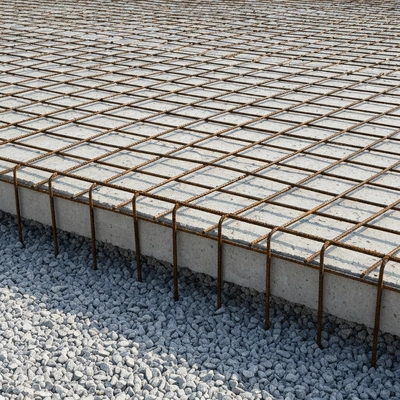
Using rebar or mesh to enhance strength and durability, preventing cracking and distributing weight evenly.
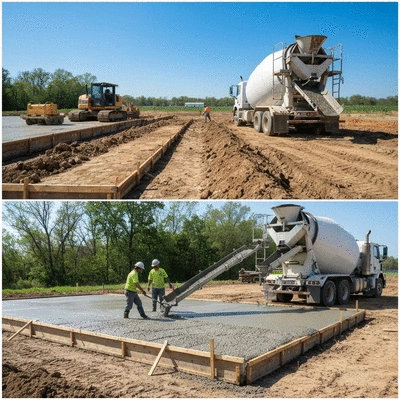
Evenly pouring concrete and keeping it moist for several days to achieve maximum strength and prevent issues.
Average cost for a standard house slab in Gold Coast, varying with complexity and site conditions. Always budget for unexpected expenses.
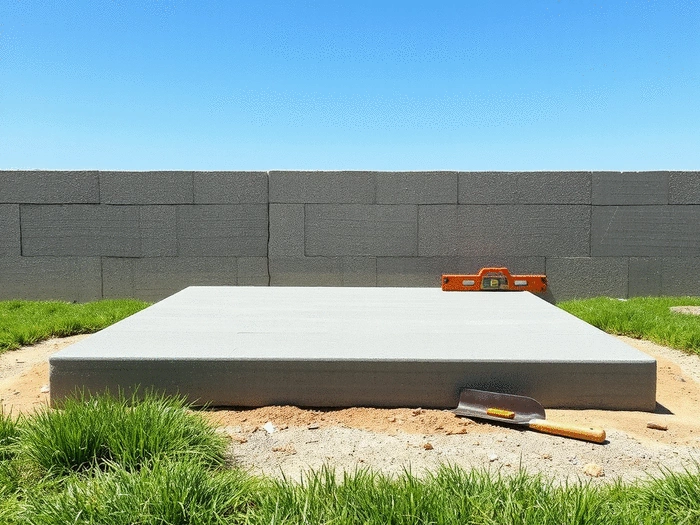
As homeowners on the beautiful Gold Coast, understanding house slabs is crucial for any construction project. Simply put, a house slab is a flat, horizontal surface made of concrete that serves as the foundation for a building. It supports the weight of the structure above and provides a stable base that helps to prevent settling and shifting. For Gold Coast residents, there are several common types of house slabs to consider, including slab-on-ground, raised slabs, and suspended slabs, each offering unique benefits depending on the terrain and project requirements.
When it comes to constructing your home, the type of slab you choose can significantly impact the overall durability and aesthetic appeal of your space. For instance, if you're building on sandy soil, a slab-on-ground might be more appropriate, while raised slabs can be beneficial in areas prone to flooding. Understanding these options is key to making informed decisions that align with both your needs and the local environment.
By investing time in understanding the different types of slabs and their advantages, you can ensure your home is built on a solid foundation that meets your lifestyle needs.
Before laying a concrete slab, site preparation is essential. This includes clearing the area of debris, vegetation, and any existing structures that could interfere with your new foundation. Additionally, leveling the ground is crucial to ensure that your slab is uniform and stable. Proper soil preparation not only supports the slab's weight but also helps prevent future issues like cracking and settling.
As an experienced concreting professional, I can't stress enough the importance of this step! If the soil isn't adequately prepared, it can lead to costly repairs down the road. Taking the time to ensure a solid base is one of the best investments you can make for the longevity of your slab.
Next, we need to consider the gravel layer, which is essential for drainage and stability. This layer acts as a barrier that prevents water from pooling underneath the slab, which can lead to erosion and hydrostatic pressure. By incorporating a gravel layer, we create a stable foundation that supports the concrete and helps it last longer.
Incorporating gravel also allows for better drainage, reducing the risk of moisture-related issues that can compromise the integrity of your home over time. This step is vital for Gold Coast homeowners, especially with our coastal climate. You can also refer to documents like the Boundary Guidelines for the Gold Coast for related site considerations.
Once the site is prepared, the next step is constructing the formwork, which holds the concrete in place until it sets. Formwork can be made from various materials, including plywood or metal, and should be designed to fit the dimensions of your slab. It's crucial that the formwork is secure and level to ensure an even pour.
As someone who has crafted countless slabs over the years, I always emphasize that proper formwork is critical. If it's not done right, you could end up with uneven surfaces or worse—structural issues that require extensive repairs!
To further enhance the strength and durability of your slab, it's essential to implement reinforcement techniques. Common methods include using rebar or mesh, which provide additional support and help prevent cracking. These materials help distribute the weight of the structure evenly across the slab, ensuring it can withstand the pressures of daily use.
When reinforcing your slab, always consider the specific needs of your project and local conditions. A well-reinforced slab is a long-term investment in your home's foundation!
The final phase in the slab construction process is the pouring and curing of the concrete. This is where all your preparation pays off! Ensure that the concrete is poured evenly within the formwork and is vibrated to eliminate air bubbles. After pouring, the concrete must be cured properly to achieve its maximum strength. This involves keeping it moist for several days to allow for proper hydration.
As a seasoned professional, I recommend monitoring the curing process closely. If it dries out too quickly, you could face significant issues down the line. A little attention during this phase can make all the difference in the durability of your slab!
Understanding the local soil conditions is crucial for effective slab construction. The Gold Coast is known for its diverse soil types, ranging from sandy to clay-rich soils. Each type presents unique challenges that can affect the stability of your slab. For instance, sandy soils provide good drainage but may require additional reinforcement, while clay soils can expand and contract, leading to potential cracking.
By adapting your construction methods to suit these soil conditions, you can enhance the longevity and reliability of your home’s foundation. Always consider conducting a soil test before starting your project to ensure you have the right plan in place!
Compliance with local building regulations is vital for a successful slab construction project. In Australia, standards such as AS 2870 and AS 3600 guide the construction practices for house slabs. These regulations ensure that buildings are structurally sound and safe for occupancy.
Familiarizing yourself with these standards not only helps you avoid costly fines but also ensures that your home meets safety requirements. For specific guidance, the Queensland Building and Construction Commission provides a Guide to Standards and Tolerances, which is a valuable resource. It's wise to consult with local authorities or professionals to understand the specifics that apply to your project, and you can also check the Gold Coast City Council website for building plan searches and relevant regulations.
When budgeting for your slab construction, consider several factors that can influence costs. These include site preparation, materials, labor, and compliance with building regulations. On average, you can expect to spend anywhere from $100 to $200 per square meter for a standard house slab in the Gold Coast area. However, this can vary depending on the complexity of the project and specific site conditions.
Creating a detailed budget that outlines these costs will help you manage your finances effectively throughout the construction process. Don't hesitate to reach out for quotes and advice to ensure your budget aligns with your vision!
When choosing a contractor for your slab construction, always ask about their experience with local soil conditions. Gold Coast's diverse soil types can significantly impact the stability and longevity of your foundation. A contractor familiar with these conditions can offer tailored solutions that ensure your slab is built to last!
The common types of house slabs include slab-on-ground, raised slabs, and suspended slabs. Each type is suited for different conditions and project requirements, such as soil type or flood proneness.
Proper site preparation is crucial to ensure a stable foundation, prevent future issues like cracking and settling, and support the slab's weight effectively. It involves clearing debris, vegetation, and leveling the ground.
A gravel layer is essential for drainage and stability. It prevents water from pooling underneath the slab, which can lead to erosion and hydrostatic pressure, and helps support the concrete.
Reinforcement techniques, such as using rebar or mesh, enhance the strength and durability of the slab. They provide additional support, help prevent cracking, and distribute the weight of the structure evenly.
On average, the cost for a standard house slab in the Gold Coast ranges from $100 to $200 per square meter. This cost can vary based on project complexity, site conditions, materials, and labor.
When it comes to constructing house slabs, deciding between a DIY approach or hiring a professional can feel overwhelming. It's important to consider your skill level, the complexity of the project, and the resources you have at hand. Here are some key points to think about:
Ultimately, weigh these factors against your personal circumstances. If you're unsure, don’t hesitate to reach out to Gold Coast Concreting Solutions for guidance. We’re here to help!
Ready to build your dream slab? Start with a solid plan! I recommend taking the following steps:
With thorough preparation, you'll set the foundation for a successful build. Each step matters!
Connecting with local experts can provide invaluable insights as you embark on your slab-building journey. Here are some ways to engage:
By leveraging these resources, you can make informed decisions that will lead to a successful project!
Before you start construction, it’s essential to understand the requirements for building permits and the importance of securing building insurance. Here are the key points:
Taking these steps will safeguard your project and provide peace of mind as you move forward with your house slab construction. Remember, being informed is your best asset!
Here is a quick recap of the important points discussed in the article: