Flooring System Comparison
A quick guide to essential industrial flooring types.
Posted on: 2026-03-19
By: Liam Hawthorne
Choosing the right warehouse floor is more than just aesthetics; it’s about enhancing safety, efficiency, and durability in industrial operations. With various options available, understanding these surfaces can significantly impact the success of your facility.
Understanding different industrial flooring systems is crucial for enhanced performance and functionality. Below is a comparison of common types, highlighting their key benefits and ideal applications.
A quick guide to essential industrial flooring types.
As a concreting professional with over a decade of experience, I often get asked about the best options for warehouse floors. These surfaces play a crucial role in the efficiency and safety of industrial operations. Whether you're managing a logistics center or a manufacturing plant, understanding the foundations of your flooring choice can make a significant difference in performance and durability.
Warehouse floors are designed to support heavy loads, withstand constant traffic, and provide a safe working environment. This makes selecting the right flooring system essential for any industrial facility. The right choice not only enhances productivity but also reduces maintenance costs over time!
Warehouse floors are specialized concrete surfaces designed to handle the demands of heavy machinery, high foot traffic, and various environmental conditions. Their importance cannot be overstated; they ensure safety, efficiency, and durability in industrial settings. Without a solid foundation, your operations could face significant setbacks.
Choosing the right warehouse floor is vital for keeping operations running smoothly. At Gold Coast Concreting Solutions, we understand that each project comes with unique challenges, and we're here to help you navigate them!
Industrial concrete is a robust material engineered to meet the specific needs of various applications, including warehouse flooring. It is designed to endure the stresses of heavy loads, vibrations, and chemical exposure. This versatility makes it a top choice for numerous industrial settings. For comprehensive guidelines on the design of concrete structures, you can refer to the USDA's Design Guide for Floors (Slabs-on-Ground).
In my experience, industrial concrete can be tailored to suit different environments, making it an excellent investment for any facility seeking longevity and resilience. Further information on general design criteria for floor slabs can be found in the Department of Defense's Unified Facilities Criteria.
When it comes to industrial flooring systems, several options can enhance performance and functionality. From epoxy coatings to polished concrete, each system serves unique purposes tailored to specific needs. Understanding these systems can help you make informed decisions.
Choosing the appropriate flooring system not only boosts productivity but also enhances the overall quality of your workspace. At Gold Coast Concreting Solutions, we are passionate about providing tailored recommendations for your warehouse flooring needs, ensuring you achieve the best results possible!
When selecting your warehouse flooring, consider not just the initial cost but also the long-term maintenance and durability. Investing in higher-quality materials like urethane cement or epoxy flooring may result in significant savings over time due to reduced repair and replacement costs. Remember, a well-chosen floor is an investment in your operational efficiency!
Designing durable warehouse floors is crucial for ensuring operational efficiency and safety in any industrial setting. As a concreting professional with over a decade of experience, I can attest to the significance of a well-designed floor in supporting heavy loads and high traffic. In this section, we'll explore essential factors that contribute to the longevity and performance of your warehouse flooring.
When thinking about durable warehouse floors, it’s important to consider the specific needs of your operation. Whether you're handling hefty machinery or high foot traffic, the right design can make all the difference. Let’s break down the key factors that play a role in achieving a strong, reliable surface.
One of the first steps in designing a durable warehouse floor is selecting the right type of concrete flooring. Each option has its own set of benefits, tailored to different applications and environments. Here are some popular choices:
Each of these options brings something unique to the table. When I work with clients at Gold Coast Concreting Solutions, we always assess their specific needs to help them choose the best flooring solution for their warehouse.
Epoxy flooring is a popular choice in industrial settings due to its durability and resistance to chemicals. This type of flooring can withstand heavy foot and vehicle traffic while providing a seamless, easy-to-clean surface. Additionally, it can be customized with various colors and finishes, enhancing the overall aesthetic of your warehouse.
When considering epoxy flooring, think about its applications: from manufacturing plants to storage facilities, it is versatile enough to suit a range of environments. If you are looking for a long-lasting solution that requires minimal maintenance, epoxy flooring might be the perfect option!
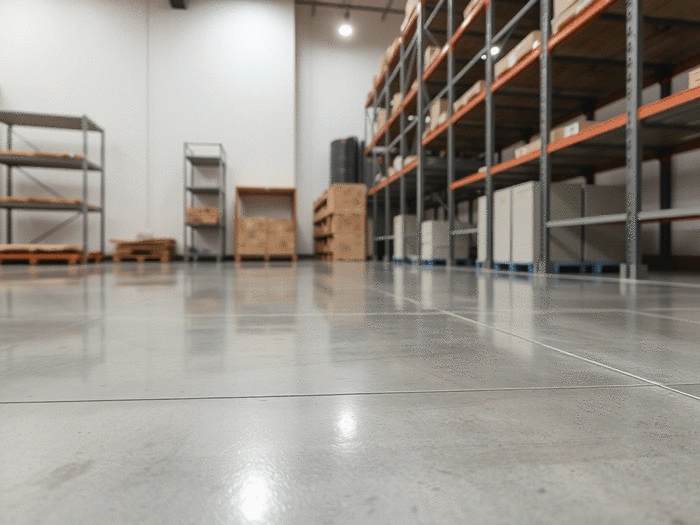
Polished concrete offers both aesthetic appeal and functionality. Not only does it look great, but it also minimizes dust, making it easier to maintain a clean environment. With its reflective surface, polished concrete can also enhance lighting in the workspace, leading to improved visibility.
Many warehouse owners choose this option for showrooms or customer-facing areas because of its sleek finish. It's a smart way to combine durability with style!
For warehouses that deal with extreme conditions—like chemical spills or high temperatures—urethane cement can be the best choice. It’s incredibly durable and flexible, making it resistant to thermal shock and mechanical wear. This flooring type is perfect for industries that require heavy-duty solutions.
Urethane cement floors can also be applied quickly, reducing downtime during installation. If your warehouse operates under challenging conditions, this option is worth considering!
Self-leveling concrete is essential for achieving a flat, smooth surface that is critical for the efficient operation of forklifts and other equipment. This type of flooring not only corrects uneven surfaces but also enhances overall durability.
By investing in self-leveling concrete, you are prioritizing operational efficiency and safety in your warehouse. After all, a smooth surface means less wear and tear on your equipment and minimizes the risk of accidents.
Once you've chosen the right type of concrete flooring, it’s vital to consider several design aspects that can enhance the longevity of your warehouse floors. Here are some essential factors:
These design considerations will significantly impact the performance and longevity of your flooring. By addressing these areas early in the planning process, you are setting your warehouse up for success.
Your warehouse floors must be designed to accommodate the specific load requirements of your operations. Heavy machinery, pallet racks, and bulk storage can exert significant pressure on the flooring, so understanding these needs is vital. At Gold Coast Concreting Solutions, we often conduct thorough assessments to ensure that the flooring selected can handle these loads without compromising safety or durability. For specific regulations concerning material handling and storage, refer to OSHA's standards on material handling.
Concrete joints are crucial for preventing cracking and ensuring the longevity of your floors. Properly placed joints allow for expansion and contraction, helping to alleviate stress on the concrete. Reinforcement, such as rebar or fiber mesh, can also enhance the strength of the floor, providing additional support against heavy loads.
A well-prepared subgrade is one of the most important factors in ensuring the durability of your concrete flooring. Poor subgrade preparation can lead to uneven settling and cracking over time. It’s essential to compact the base material and ensure proper drainage to create a stable foundation for your floors.
Finally, evaluating the load-bearing capacity of your concrete floors is critical for optimal performance. This assessment helps to determine if the chosen flooring system will withstand the expected loads and traffic without deterioration. Implementing a detailed analysis can save you from costly repairs down the line, ensuring your investment stands the test of time!
Here is a quick recap of the important points discussed in the article: