Investment ComparisonSealing vs. Repair Costs
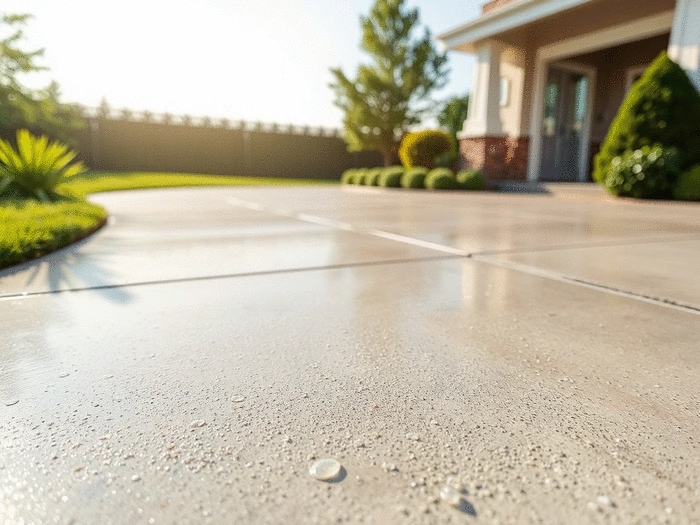
The cost of initial sealing is a fraction of potential repair costs due to neglect.
- ✓ Proactive sealing: Low initial cost
- ✘ Neglected repairs: High, recurring expense
Posted on: 2026-07-12
By: Liam Hawthorne
In the world of concrete maintenance, understanding the importance of sealing can save both time and money. Regular sealing not only protects surfaces but also enhances their overall appearance. Are you ready to discover how to prolong the life of your concrete installations?
Investing in concrete sealing and consistent maintenance is crucial for protecting your surfaces, extending their lifespan, and enhancing property value. This comparison highlights the long-term benefits of a proactive approach.
The cost of initial sealing is a fraction of potential repair costs due to neglect.
A well-maintained, sealed surface can last significantly longer.
Regular resealing is key to sustained protection and appearance.
Well-maintained concrete enhances curb appeal and market value.
When it comes to maintaining your concrete surfaces, sealing plays a crucial role in protecting your investment. Sealing not only enhances the visual appeal of your concrete but also helps prevent damage that can result from weather elements, spills, and regular wear and tear. By applying a quality sealer, you're essentially adding a layer of defense, which can significantly extend the lifespan of your concrete installations. For more detailed information on concrete sealing and its importance, you can refer to resources from the American Concrete Institute (ACI), a leading authority in concrete technology.
Imagine investing in a beautiful new driveway or patio—without sealing, those surfaces are vulnerable to cracking, staining, and fading. As someone who has spent over a decade in the concreting industry, I can assure you that a well-sealed concrete surface can look stunning for years, saving you the hassle and expense of repairs or replacement down the road!
Sealing your concrete is not just a good idea; it's a necessity. One of the primary benefits is that it prevents moisture from seeping into the porous surface, which can lead to serious damage over time. Additionally, it acts as a barrier against stains—think spills from oil, food, or even rust from garden furniture. Trust me, as your local expert at Gold Coast Concreting Solutions, I often see how neglecting sealing leads to costly repairs that could have been easily avoided! For insights into best practices for concrete protection, the National Ready Mixed Concrete Association (NRMCA) offers valuable guidelines on concrete durability and maintenance.
Now let's talk numbers. Investing in concrete sealing can save you a significant amount in the long run. The cost of sealing your concrete is a fraction of what you would spend on repairs due to neglect. In fact, a well-maintained sealed surface can last up to twice as long as an unsealed one. Isn’t that something worth considering?
By regularly sealing your concrete, you're not only enhancing its appearance but also its functionality. This proactive approach is about protecting your hard work and investment. Plus, it can enhance your property’s overall value, making it more appealing to potential buyers down the line. Remember, good maintenance is key to ensuring your concrete surfaces remain both durable and attractive!
When it comes to choosing the right sealer, it’s important to understand the differences between penetrating sealers and surface sealers. Penetrating sealers are designed to soak into the concrete, creating a protective barrier against water and contaminants without altering the surface appearance. On the other hand, surface sealers create a protective layer on top of the concrete, offering a glossy finish that enhances the color.
As you consider what’s best for your project, think about your specific needs. If you're looking for a more natural look with low maintenance, penetrating sealers might be the way to go. However, if you prefer a shiny finish that adds visual interest, surface sealers could be more suitable.
When selecting a sealer, evaluate its performance based on several key factors. Look for products that offer strong chemical resistance, particularly if your concrete is exposed to harsh substances. Durability is another critical aspect—after all, you want a sealer that will stand the test of time. Finally, consider the application method and any safety protocols to ensure a smooth sealing process.
In the realm of concrete sealers, you may come across options like acrylic, epoxy, and polyurethane. Each of these has its strengths and weaknesses. Acrylic sealers are often favored for their quick drying time and ease of application, making them popular for DIY projects. Epoxy sealers offer superior durability and are perfect for high-traffic areas.
Polyurethane sealers, meanwhile, provide exceptional UV protection, making them ideal for outdoor surfaces that face intense sunlight. Understanding the differences among these types will help you choose the most appropriate sealer for your specific needs, enhancing both the durability and aesthetic appeal of your concrete surfaces. For more in-depth information on concrete repair and maintenance, including sealers, the International Code Council (ICC) provides valuable resources on building standards and practices.
Regular maintenance of your concrete surfaces can significantly extend their lifespan. Consider scheduling a resealing every 1-3 years, depending on traffic and environmental exposure. This proactive approach not only protects your investment but also keeps your surfaces looking fresh and appealing!
Maintaining concrete is vital for protecting your investment and ensuring its longevity. Regular maintenance, including sealing, not only prevents damage but also enhances the overall aesthetic of your surfaces. With proper care, your concrete can withstand the elements, heavy traffic, and daily wear and tear, ultimately saving you money on costly repairs down the line.
Remember, the key takeaways include understanding the role of sealing in durability, recognizing the signs that your concrete needs attention, and adhering to a consistent maintenance schedule. By prioritizing these practices, you're making a smart choice for your property.
Now that you understand the significance of concrete maintenance, it’s time to take action! Assess your concrete sealing needs by evaluating the condition of your surfaces. Whether you choose to hire a professional or tackle the project yourself, getting started is crucial. At Gold Coast Concreting Solutions, we’re here to help you navigate these options and ensure you make the best decision for your space!
Here are some steps to consider:
To help you make informed decisions regarding your concrete sealing investments, consider using a simple ROI calculator. This tool can assist you in evaluating the cost-effectiveness of sealing based on:
Taking the time to calculate these factors can provide clarity on how sealing will benefit your budget and your concrete’s long-term health!
Deciding whether to hire professionals or handle sealing projects on your own can be challenging. Here are some pros and cons to consider:
Whichever route you choose, ensuring that the job is done right is key to protecting your investment!
Here are some practical maintenance tips to keep your sealed concrete looking great and lasting longer:
By following these simple maintenance tips, you can enhance both the durability and aesthetic appeal of your concrete surfaces. Remember, at Gold Coast Concreting Solutions, we’re always here to guide you through your concrete care journey!
Here is a quick recap of the important points discussed in the article: